
The Most Important Positions In Your Company: Lessons from Organizational Networks
Every organization has a hidden system: a web of relationships and informal networks that people use to complete day-to-day work. This system has its benefits: it helps get things done, disseminate knowledge, and incubate innovation. However, most leaders are unaware of how these networks influence productivity or workflow. By ignoring human networks, leaders miss out on an important network dynamic that can make or break talent management and change initiatives.
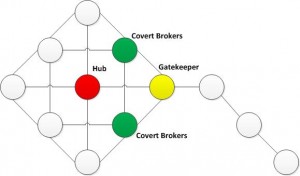
Within every network, 5 – 10% of nodes (in this case, individuals) represent critical connectors. These individuals have disproportionate influence over the whole. The critical connectors are:
Hubs – Highly connected individuals who communicate directly and frequently; Gatekeepers – Individuals who manage information flow between areas or around expertise; and Pulsetakers – Quiet, behind-the-scenes influencers who subtly lead and learn.


